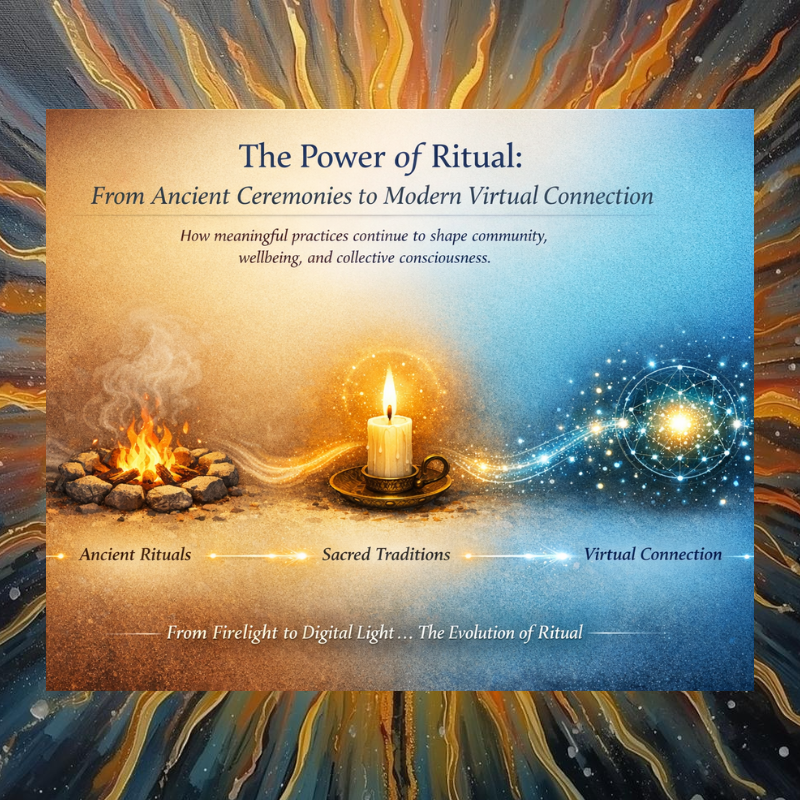
Introduction: A New Frontier for Inner Growth
The metaverse is rapidly transforming how we work, socialize, and play—but what if it could also transform how we heal, reflect, and evolve?
As we navigate a world of increasingly immersive digital landscapes, we are presented with an unprecedented opportunity: to design virtual experiences that awaken consciousness, promote mental and emotional well-being, and reconnect us with the essence of who we are. This blog explores how intentional use of the metaverse can become a bridge between technology and inner transformation.
What Is the Metaverse—and Why Does Consciousness Matter?
At its core, the metaverse is a network of shared, persistent digital environments—places where people can meet, collaborate, and experience immersive realities through avatars, augmented spaces, and extended presence. While the concept is still evolving, its potential to influence how we perceive ourselves and our world is profound.
Consciousness awareness—the capacity to observe our thoughts, emotions, and bodily sensations without judgment—is central to wellbeing. It is the foundation of mindfulness, emotional regulation, spiritual growth, and psychological resilience. When people become more aware of their inner states, they are better equipped to navigate stress, trauma, and disconnection.
Bringing these two ideas together—the external immersion of the metaverse and the internal reflection of consciousness—opens up new possibilities for healing and personal evolution.
The Science of Immersion: How Virtual Reality Affects the Mind
Virtual environments stimulate the brain in ways that can foster presence, embodiment, and even altered states of consciousness. Here’s how:
– Neuroplasticity: Immersive experiences can rewire neural pathways by creating vivid, emotionally resonant moments.
– Mirror neurons and empathy: VR can simulate powerful interpersonal scenarios that help users build compassion and self-understanding.
– State modulation: Virtual environments can induce relaxation, focus, or heightened awareness, similar to meditative or flow states.
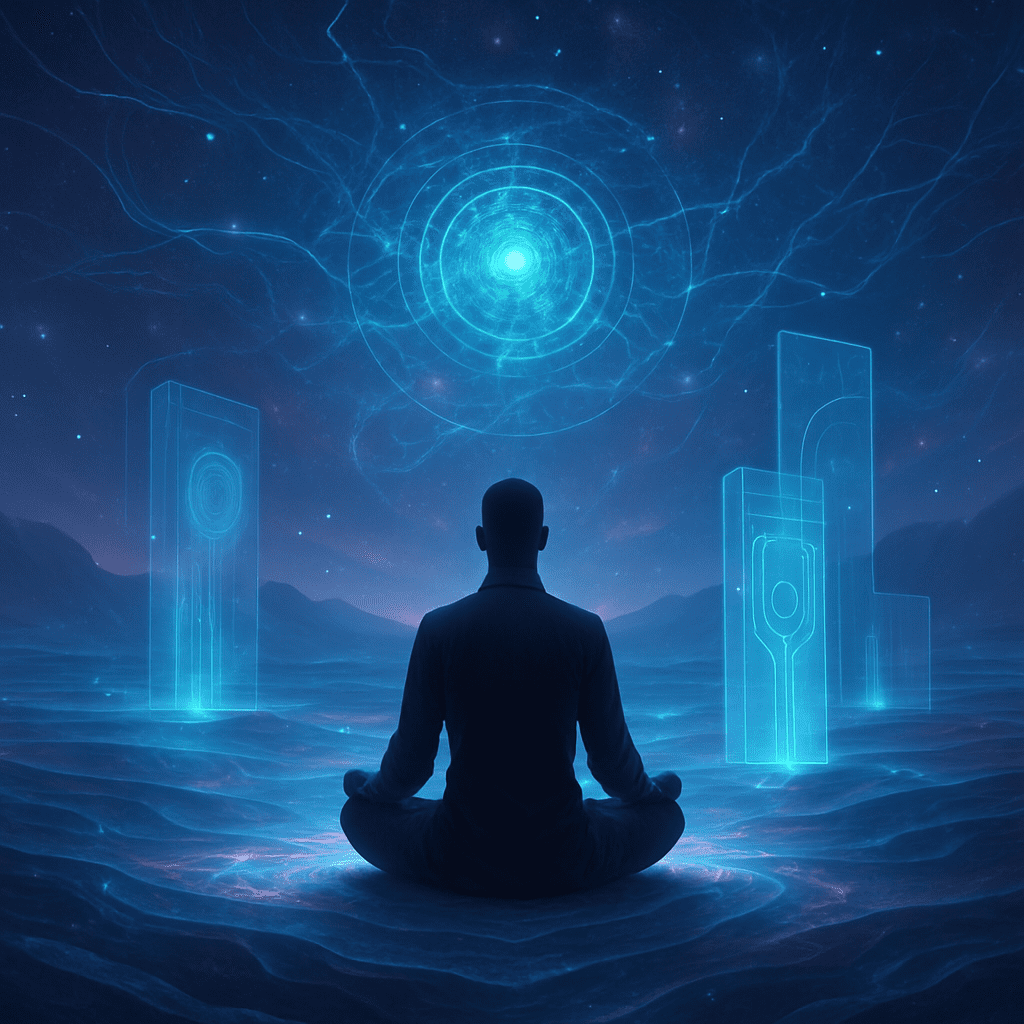
By leveraging sensory feedback, movement, sound, and even biometric data (like breath or heart rate), virtual spaces can help guide users into deeply aware, introspective states—offering experiences that mirror ancient practices like meditation, breathwork, and sacred ritual.
Consciousness Practices in the Virtual World
A growing wave of innovators is creating metaverse-based tools and platforms that focus on inner development. Here are some emerging applications:
- VR Experiences, offering Education, Meditation, and Sound Healing, as a few examples: Platforms like PureEsperanza, TRIPP or Liminal VR offering facilitated experiences, events, practices, guided meditations, ambient visuals, and even soundscapes that respond to your mood and breathing patterns. These experiences help users access calm, centered states with enhanced ease.
- Nature Immersion and Virtual Retreats: The metaverse can simulate peaceful environments e.g. mountaintops, forests, or oceans—restoring a sense of connection to the Earth and offering digital “retreats” for restoration.
- Therapeutic Storytelling and Somatic Healing: Interactive journeys can be crafted to guide users through inner child work, grief processing, or trauma integration. With the support of avatars, symbolic environments, and AI-guided narratives, users can safely explore emotional landscapes in a controlled and compassionate space.
- Biofeedback-Enhanced Awareness: By integrating biometric sensors (like EEG headbands or heart rate monitors), users can see their internal states reflected in real-time—training their nervous systems and enhancing self-regulation.
Conscious Design: Creating Meaningful Metaverse Spaces
Technology alone does not lead to transformation. What matters is intention.
To truly support consciousness and wellbeing, virtual spaces must be designed with:
– Ethics: Safeguarding privacy, agency, and emotional safety.
– Diversity and accessibility: Ensuring people from all backgrounds and abilities can participate meaningfully.
– Holistic frameworks: Collaborating with therapists, healers, and consciousness researchers to create experiences that are informed, respectful, and transformative.
The goal is not escapism—but engagement. The metaverse should not pull us away from reality, but instead deepen our presence in it.
Real-World Examples and Innovations
Several pioneering projects are already demonstrating what’s possible:
- PureEsperanza World: A VR platform using experiential exploration of consciousness connections for holistic wellbeing, creating community in Education, Healing, Arts, Business, Environment, Social Global Awareness.-
- TRIPP: A mindfulness VR platform that combines neuroscience with immersive sound and visuals to promote emotional wellness.
- SoundSelf: An interactive meditation experience that uses your voice to create responsive, psychedelic visuals and vibrations.
- Endel: An AI-powered soundscape generator that adapts in real time to your biorhythms, helping you focus, relax, or sleep.
- Healium: Uses biofeedback and AR/VR to reduce stress and anxiety through visualization and storytelling.
These platforms are early indicators of a much larger movement—a shift toward using technology as a tool for transformation, not just distraction.
Conclusion: Awakening Through Avatars
The metaverse is still in its infancy, but it holds immense promise. If used wisely, it can become a new kind of sacred space—a place where we remember ourselves, connect with our inner world, and find new ways to heal and grow.
By aligning immersive technology with conscious intention, we can build digital worlds that don’t just entertain us—but elevate us.
Call to Action
Are you ready to explore the metaverse not just with your senses—but with your soul?
– Try a mindful VR experience.
– Support conscious tech initiatives.
– Or simply start asking: How can we design technology that awakens us, instead of numbing us?
The tools are here. The future is now. And your awareness is the key.
Blog collaboratively written by Esperanza Smith and ChatGPT.